



What is the principle of airless pump?
 Mar 29, 2025|
 View:1404
Seen airless pumps but unsure of the science? Wondering how they truly keep air out? The principle is clever vacuum technology, not magic. The core principle is creating a vacuum. Pumping removes product, causing a pressure difference. This pulls a disc or piston upwards from the bottle's base, pushing the remaining product towards the pump without introducing air. It’s a sealed system. !
Understanding the Vacuum Effect
The magic really lies in the pressure difference. When you press the pump head, a small valve opens, letting product out. As the pump head returns, it creates a temporary vacuum inside the pump chamber. Instead of sucking air back into the bottle like a standard pump with a dip tube, this vacuum pulls the internal piston (or diaphragm) upward. This piston acts like a rising floor, constantly pushing the product upwards. I remember working with a new skincare brand that was having issues with their Vitamin C serum degrading quickly in standard packaging. Switching them to our airless system made a huge difference in product stability.
Key Components and Their Roles
Think of it like this:
Component | Role | Benefit |
Pump Actuator | What you press | Dispenses product |
Piston/Diaphragm | Moves up from the bottom inside the bottle | Pushes product, seals |
Bottle Body | Contains the product and piston | Creates the sealed system |
Valve System | Controls product flow out, prevents air in | Maintains airlessness |
This system ensures minimal contact between the product and outside air. At R.ONE S-TECH, we focus on perfecting these components. We use materials like recyclable plastics. We also customize features like precise dosage control for our clients' specific needs. This applies whether they are daily chemical brands or high-end cosmetic lines. This approach keeps sensitive formulas potent for a longer time. |
How does the pump work in a spray bottle?
Used a spray bottle and wondered how it mists? Seems simple, but is it like other pumps? Let's break down this common mechanism quickly. A standard spray pump uses a dip tube and siphon action. Pressing the trigger moves a small piston, creating suction that pulls liquid up the tube. Releasing it draws more liquid in. The liquid is then forced through a nozzle, atomizing it into a spray.
The Siphon and Piston Action
The standard pump found in many spray bottles or basic lotion dispensers relies on atmospheric pressure and simple mechanics. When you push the pump head or trigger, you compress a small spring and move a piston. This action forces any liquid already in the pump chamber out through the nozzle. For spray bottles, this nozzle is designed to atomize the liquid, breaking it into fine droplets. I recall a client needing a simple, cost-effective dispenser for a room spray; a standard pump was the perfect fit for their needs and budget.
Why Air Gets In
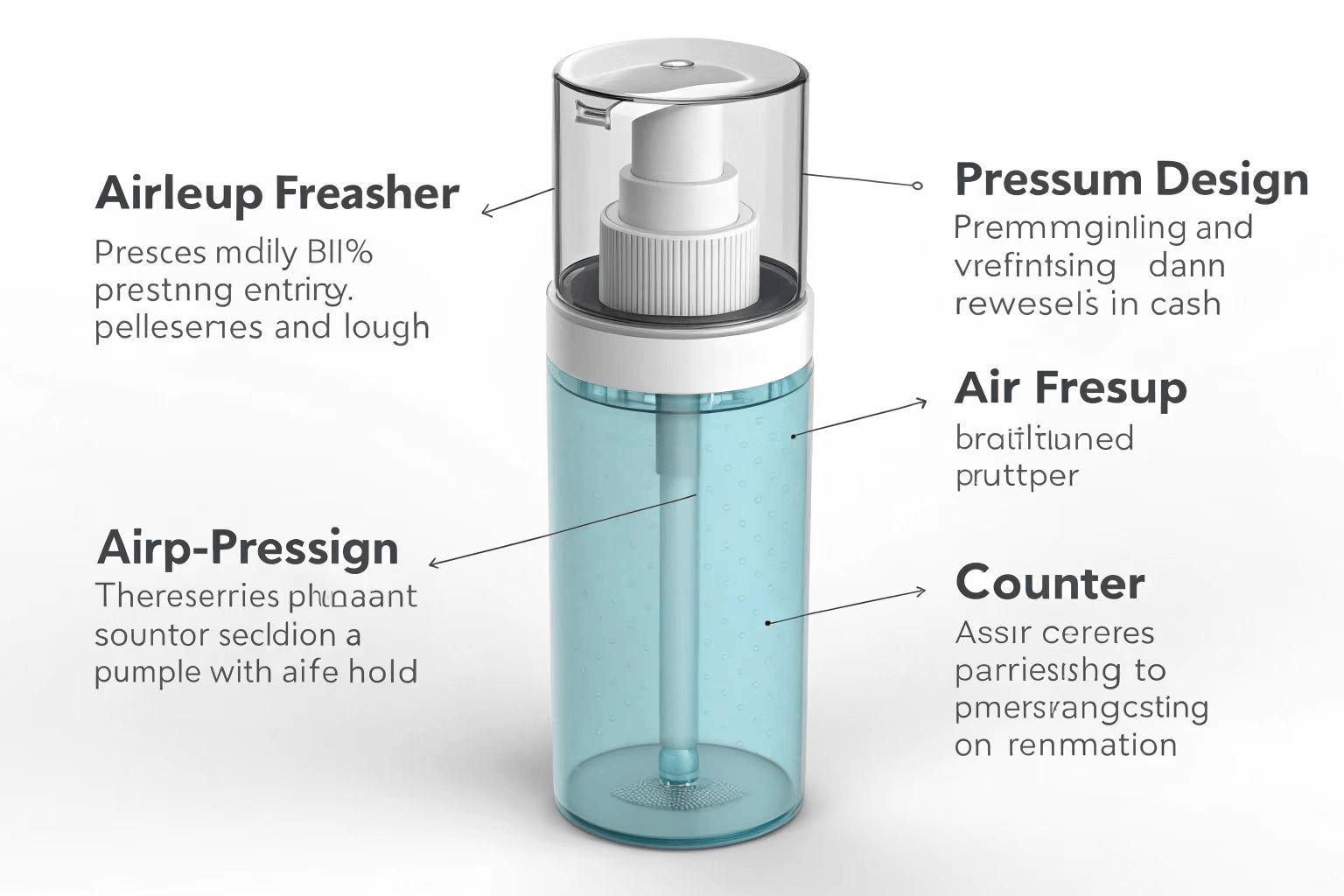
Crucially, when you release the pump, the spring pushes the piston back. This creates a low-pressure area inside the pump chamber. To fill this space, liquid is drawn up the dip tube from the bottom of the bottle. However, air also typically gets sucked back into the bottle to replace the dispensed liquid's volume. This is the major difference from an airless system. This air intake is fine for many products, but problematic for others.
Key Differences Summarized
Feature | Standard Pump (Spray/Lotion) | Airless Pump |
Air Introduction | Yes, replaces liquid volume | No, vacuum prevents it |
Dip Tube | Yes | No (uses piston) |
Orientation | Needs to be upright | Works at any angle |
Product Exposure | Higher risk | Minimal risk |
Common Use | Sprays, basic lotions | Sensitive formulas, creams |
While R.ONE excels in airless technology for sensitive products like serums, we also provide reliable standard pumps. These are used for applications where air exposure isn't a major concern. We offer cost-effective solutions across daily chemical and food packaging needs. Understanding both pump types helps our clients, like distributors, choose the right packaging for their downstream customers. |
What is the difference between a pump and an airless pump?
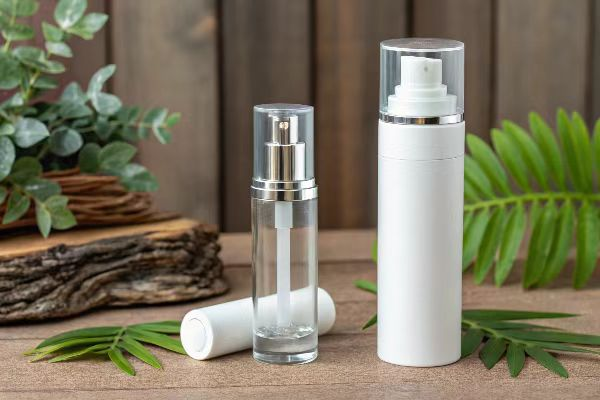
Pump, airless pump – sound similar, right? But the difference matters hugely for product life. Let's clarify exactly what sets them apart. The main difference is air exposure. A standard pump uses a dip tube and lets air into the bottle to replace dispensed product. An airless pump uses a vacuum and an internal piston, pushing product out without letting any air back in, protecting the contents.
Core Mechanical Distinction
We've seen how they work differently, but let's focus on why that difference is critical. The standard pump relies on a dip tube and atmospheric pressure. It inherently introduces air with each use. The airless pump, with its internal piston creating a vacuum, actively prevents this. This isn't just a minor technical detail; it has major consequences for the product inside and the user experience. We often explain this core difference to brands trying to enhance their product's perceived value and effectiveness.
Impact on Product and User
Aspect | Standard Pump | Airless Pump | Why It Matters (Brand/User) |
Preservation | Lower (Oxidation risk) | Higher (Protects sensitive ingredients) | Longer shelf life, product efficacy |
Evacuation | Often incomplete (waste) | Near 100% | Value for money, less frustration |
Orientation | Upright use needed | Works at any angle | Convenience, especially for travel |
Contamination | Higher potential | Lower potential | Product safety, hygiene |
Formula Suitability | Basic lotions, soaps, sprays | Serums, creams, sensitive formulas | Matches packaging to product needs |
Cost | Generally lower | Generally higher | Budget vs. performance trade-off |
At R.ONE S-TECH, we help clients navigate this choice. For distributors who need reliable, cost-effective options for basic products, standard pumps might be sufficient. They appreciate our stable supply chain. But for brands with high-value cosmetics or pharmaceuticals, the benefits of airless—preservation, complete usage, premium feel—often justify the investment. End users also increasingly prefer the functionality and hygiene of airless systems. Furthermore, for brands targeting eco-conscious consumers, we offer airless options in recyclable materials like PCR plastics. Our customization capabilities mean brands can get the specific benefits they need, aligning with both performance requirements and market positioning. |
Conclusion
Airless pumps use a unique vacuum system, not a dip tube. This protects sensitive products from air, ensures full usage, and offers a superior dispensing experience compared to standard pumps.





View More(Total0)Comment lists