



What's inside a lotion pump and how does it work?
 Jun 20, 2025|
 View:1130
Every time you press that little pump to get lotion, have you ever wondered what magic happens inside? Let's uncover the simple yet smart mechanics that bring your cream from bottle to hand.
A lotion pump works by creating suction to pull liquid up through a tube, then releasing it through the nozzle when pressed. Key parts include a spring, valves, piston, and dip tube, all working together to control the flow precisely.
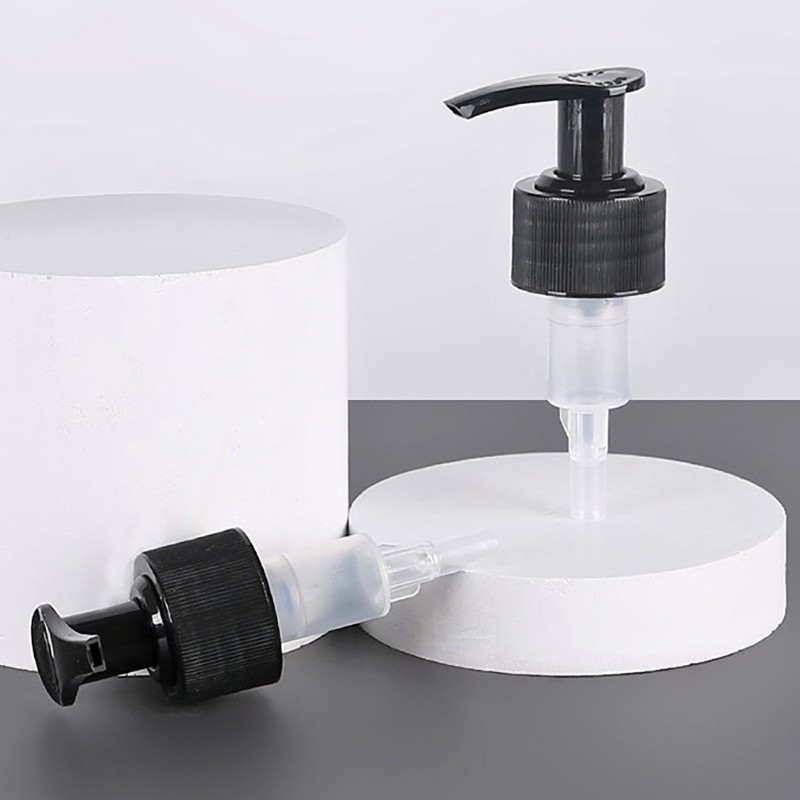
These small devices are engineering marvels in disguise. Below, we’ll dissect how each component contributes to that satisfying click and perfectly measured dollop.
An Inside Look: Breaking Down the Pump's Parts and Pumping Action
Pulling apart a lotion pump reveals a tiny world of precision. At first glance, it’s just plastic and springs—but each piece has a critical role.
The main components are the actuator (nozzle you press), outer casing, dip tube, piston, spring, and inlet/outlet valves. When pressed, the spring compresses, creating vacuum pressure to draw lotion upward.
Let’s dive deeper into what each part does:
The Three Core Systems
1. Suction mechanism
- Dip tube: Extends to the bottle’s bottom to reach the liquid.
- Piston chamber: Creates a vacuum when the spring pushes it upward.
2. Flow control
- Inlet valve: Opens to let lotion enter the chamber during suction.
- Outlet valve: Releases lotion only when pressed, preventing leaks.
3. User interface
- Actuator: The button you press—its shape affects spray pattern.
- Spring: Returns the piston to reset the pump after each use.
Without even one of these, your pump would either leak, clog, or fail to dispense. Next, let’s see how this translates to your daily use.
From Bottle to Hand: Understanding the Simple Mechanics of Your Lotion Dispenser
You don’t need a degree to operate a lotion pump, but knowing how it works helps troubleshoot issues like clogs or weak sprays.
When you press the pump, the spring forces lotion out; releasing it creates suction to refill the chamber. This dual-action design ensures consistent doses with minimal effort.
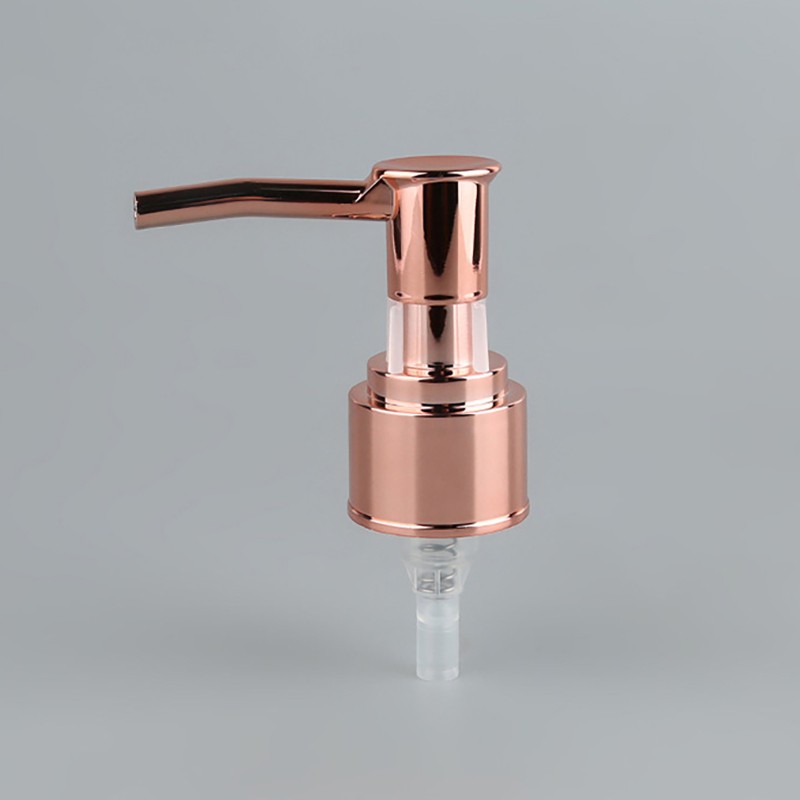
Here’s why this matters for you:
Common Problems (and Fixes)
- Weak spray? Air might be trapped. Try pumping slower to let liquid refill fully.
- Leaking bottle? Check if the outlet valve is cracked or clogged.
- Stuck actuator? Dried lotion can jam the spring—clean with warm water.
Pro tip: Pumps work best with thinner liquids. For thick creams, wider dip tubes prevent clogs.
The Anatomy of Dispensing: How Valves, Springs, and Suction Deliver Your Lotion
Behind the smooth glide of a pump’s button lies rigorous physics. Each part tolerances are precise—even a 0.1mm change can affect performance.
Valves open/close via pressure differences: suction opens the inlet, while pressing opens the outlet. The spring’s tension determines how much force you need to apply.
Engineering Trade-Offs
1. Spring strength
- Too weak: Leaks or incomplete suction.
- Too strong: Hard to press, frustrating users.
2. Valve materials
- Silicone: Flexible but wears faster.
- Thermoplastics: Durable but may stiffen over time.
3. Dip tube length
- Must reach the bottle’s base—but not touch it (to avoid blockage).
Fun fact: High-end pumps use dual springs for smoother action. Budget versions may skip the inlet valve, risking air bubbles.
Conclusion
Lotion pumps blend simplicity and clever engineering to deliver the right amount with a single press. Now you’ll never take that for granted again.


I want to comment
Recommended Products

RO-AS001 Hydro lifting with pump

RO-HSM02 PET Hand sanitizer bottles with long mouth pump

RO-HSL02 PET Hand sanitizer bottles with Lotion pump

RO-LS075 28/410 plastic foam trigger sprayer pump

RO-LP029 Heavy calibre plastic food pump for Jam / honey/sesame paste

RO-MS009 Plastic mist hand sanitizer spray pump head

RO-TS062 Trigger sprayer pump for household cleaners


Recent News
1.What is the benefit of cosmetic pump bottle
2023-10-112.Airless Refillable Pump Bottle: Transforming Beauty Packaging through Sustainability
2024-05-083.5 Ways Airless Cosmetic Pump Bottles Are Transforming Beauty Packaging
2023-12-294.What are the Advantages of a Lotion Pump Supplier?
2024-05-115.What is the principle of airless pump?
2025-03-296.Lotion Pump: The Technology and Design behind Small Objects
2025-02-24





View More(Total0)Comment lists