



Why Do Lotion Pump Ball Valves Use Glass or Plastic?
 May 12, 2026|
 View:141
I have seen many lotion pumps fail because buyers ignored one tiny part. The ball valve looks small, but it can cause leaks, poor dosing, and returns.
Glass and plastic are the two most common ball valve materials in lotion pumps. Glass gives better chemical resistance, stable sealing, and premium performance. Plastic gives lower cost, lighter weight, and wider mass-market use. The best choice depends on formula, budget, and target market.
When I help customers choose packaging, I often start with hidden parts first. A pump may look the same outside, yet inside performance can be very different. That is why I always discuss the ball valve before mass production.
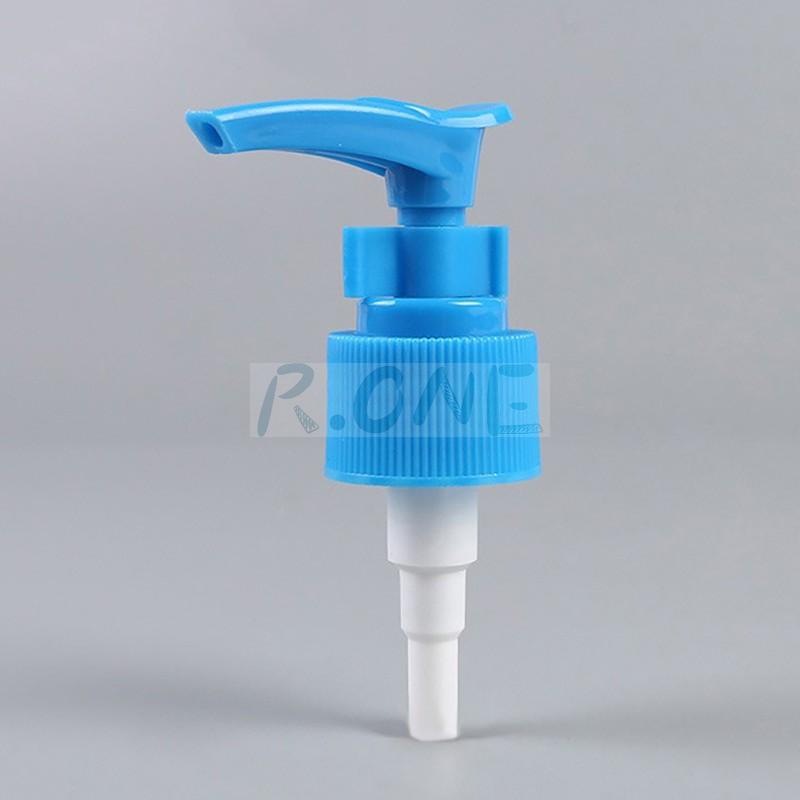
Why Does the Ball Valve Matter So Much in a Lotion Pump?
Many buyers focus on actuator shape and collar finish. They later face leaking pumps or uneven output. The root cause is often inside the closure.
The ball valve controls one-way liquid flow. It opens during pressing and closes after release. Good material improves sealing, dosing accuracy, and product life. Poor material can swell, stick, or lose seal.
I often explain that a lotion pump is like a breathing system. It must pull product up and stop product from flowing back. The ball valve helps create this cycle. If the ball is too light, too rough, or not chemically stable, the pump can sputter. If the surface is smooth and stable, the seal is stronger.
I once tested two similar pumps for a skincare client. One used a low-grade plastic ball. One used glass. The outside looked the same. After repeated cycles, the glass version gave more stable output.
Key functions of the ball valve:
One-way sealing: Stops backflow and leaking.
Priming support: Helps the pump fill quickly.
Dose control: Keeps output more even.
Formula safety: Reduces reaction risk.
Long use life: Lowers complaints and returns.
When distributors compare suppliers, this small part can affect repeat orders. End users may never see the ball valve, but they feel the result every day.
What Are the Main Advantages and Limits of Glass Ball Valves?
Some brands want premium function and stable long-term use. They need parts that resist many active formulas. This is where glass often enters the discussion.
Glass ball valves offer strong chemical resistance, higher density, smooth movement, and reliable sealing. Their limits are higher cost, more weight, and possible breakage during poor handling or low-quality assembly.
I often suggest glass for serums, treatment lotions, and formulas with stronger ingredients. Glass does not easily react with many liquids. It also has useful weight. That weight can help seating and sealing in some pump designs. A smooth glass surface can reduce sticking.
Still, I always discuss the limits honestly. Glass usually costs more than plastic. Shipping weight can rise in very large volumes. If production control is weak, breakage risk can appear during handling. Good molding and assembly control reduce that risk.
I once worked with a customer selling active skincare in Europe. They had leakage claims in summer transport. We changed the pump spec to a better glass-ball design. Claims dropped after launch.
Glass ball valve factors:
Chemical resistance: Good for active formulas.
Density: Helps seating and sealing.
Surface smoothness: Stable movement.
Premium perception: Supports higher-end packaging.
Cost: Higher than common plastic.
Breakage risk: Needs good quality control.
For many premium brands, the extra cost can be worth it because returns cost more than better components.
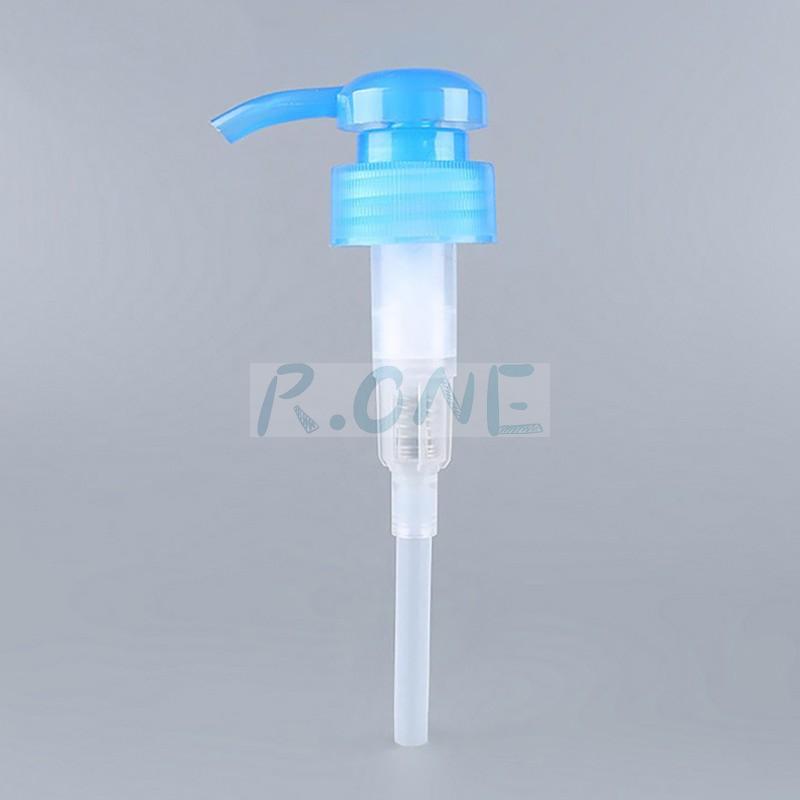
What Are the Main Advantages and Limits of Plastic Ball Valves?
Many mass-market products need cost control. They also need fast production and light freight. Plastic ball valves are common for these reasons.
Plastic ball valves offer low cost, light weight, fast sourcing, and wide use in daily products. Their limits can include lower chemical resistance, shape change, swelling, or weaker sealing in some formulas.
I often recommend plastic ball valves for hand wash, body lotion, shampoo, and standard personal care formulas. They can perform well when resin grade matches the formula. They also help reduce unit cost, which matters to wholesalers and chain retailers.
But I always remind buyers that “plastic” is a broad word. Material grade matters. Some plastics resist oils better. Some handle alcohol better. Some low-cost grades may deform under heat or after long contact with formula ingredients. That can create sticking or poor rebound.
I once reviewed a project where the customer only asked for the cheapest pump. After storage tests, output became unstable. We changed to a better plastic grade. Performance improved while cost stayed controlled.
Plastic ball valve factors:
Unit cost: Lower.
Weight: Light.
Production speed: Good for large volume.
Formula matching: Must be checked carefully.
Heat resistance: Depends on resin.
Seal stability: Can vary by quality grade.
For distributors, plastic options can create better margin opportunities when the correct grade is chosen.
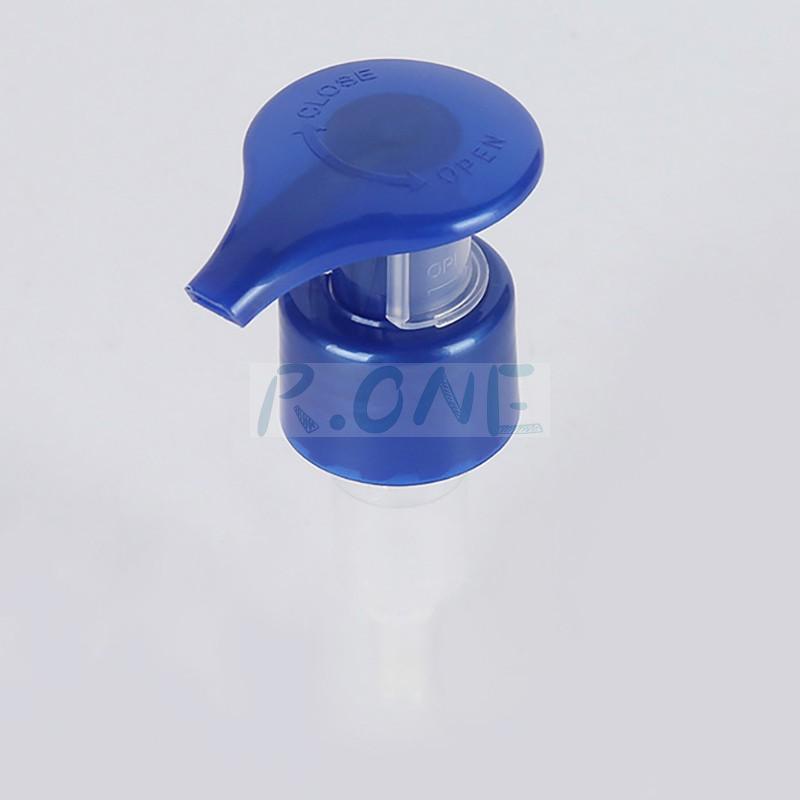
How Do I Choose Between Glass and Plastic Ball Valves?
Many buyers ask me for one universal answer. There is none. The right answer depends on product formula and business goals.
Choose glass for stronger formulas, premium lines, and long-term stability. Choose plastic for cost-sensitive daily products, light shipping, and high-volume programs. Always test compatibility before production.
I use a simple process with customers. First, I review the formula. Second, I check target price. Third, I study transport conditions. Fourth, I review brand position. Then I suggest samples for testing.
At R.ONE S-TECH CO., LTD, I support customers with custom pump head solutions, small batch development, and stable export supply. Many clients need both value and function. So I often create two options: a cost version and a premium version.
Quick selection guide:
Active skincare serum: Glass.
Standard body lotion: Plastic.
Premium brand launch: Glass.
Budget retail line: Plastic.
Heavy export freight control: Plastic.
Long storage stability focus: Glass.
I always tell customers one thing. The cheapest component is not always the lowest total cost.
Conclusion
Glass ball valves give stronger performance and premium stability. Plastic ball valves give better cost efficiency. I choose based on formula, market position, and real testing.


I want to comment
Recommended Products

RO-LP031 Full plastic lotion pump with silicone spring

RO-LP025 32/410 clip electroplating lotion pump

RO-LP019 Plastic hand sanitizer pump spray 32/410 dispenser lotion pump
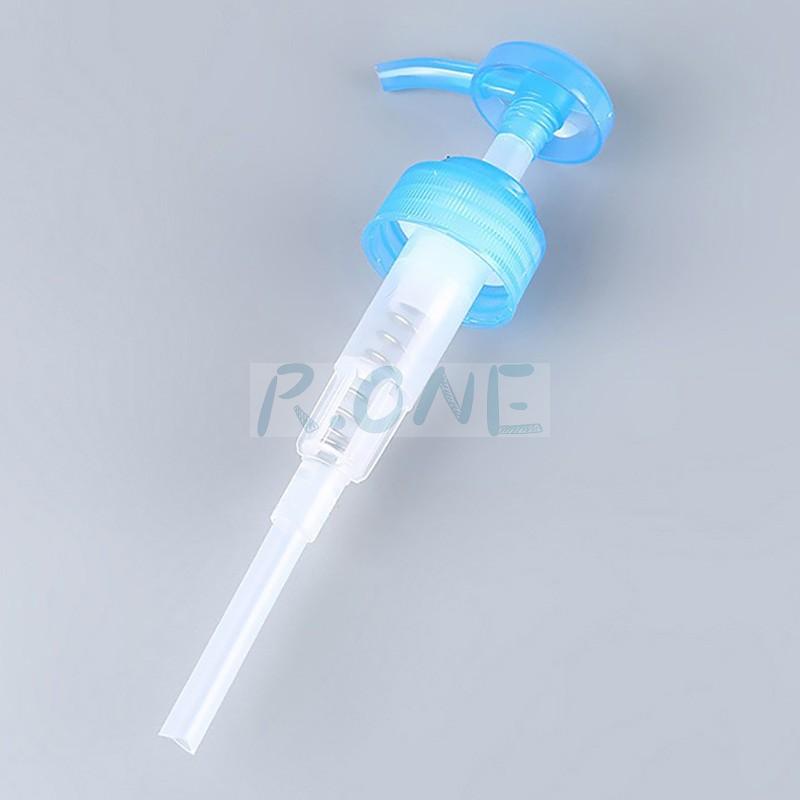
RO-LP014 Ribbed lotion pump 32/410

RO-LP008 28/410 lotion pump for moisturizing lotion

RO-LP003 Springless Lock-up Lotion pump with Metal Collar

RO-LP001 Plastic twist 24/410 lotion pump dispenser





View More(Total0)Comment lists