



Why Is PP Material So Commonly Used for Lotion Pump Bottles?
 Oct 15, 2026|
 View:5
I use polypropylene (PP) as a key material for lotion pump components because it offers a good balance of chemical resistance, durability, cost, and production flexibility. When I help customers choose packaging, I also consider product compatibility, pump performance, and recycling needs.
I have worked with cosmetic packaging solutions for years, and I know that a lotion pump is more than a small part of a bottle. It affects how customers use a product every day. It also affects how brands manage costs, product quality, and supply. I often explain to customers that the choice of material should start with the product formula and the target market. PP is a common choice because it meets many daily packaging needs without making the design too complex. But why does this material work so well? I look at three key points to explain my choice.
Why Does PP Offer the Right Balance of Chemical Resistance and Durability for Lotion Pumps?
I often hear customers worry about changes in their lotion formula. A pump that reacts poorly to the product can cause damage, leaks, or poor performance.
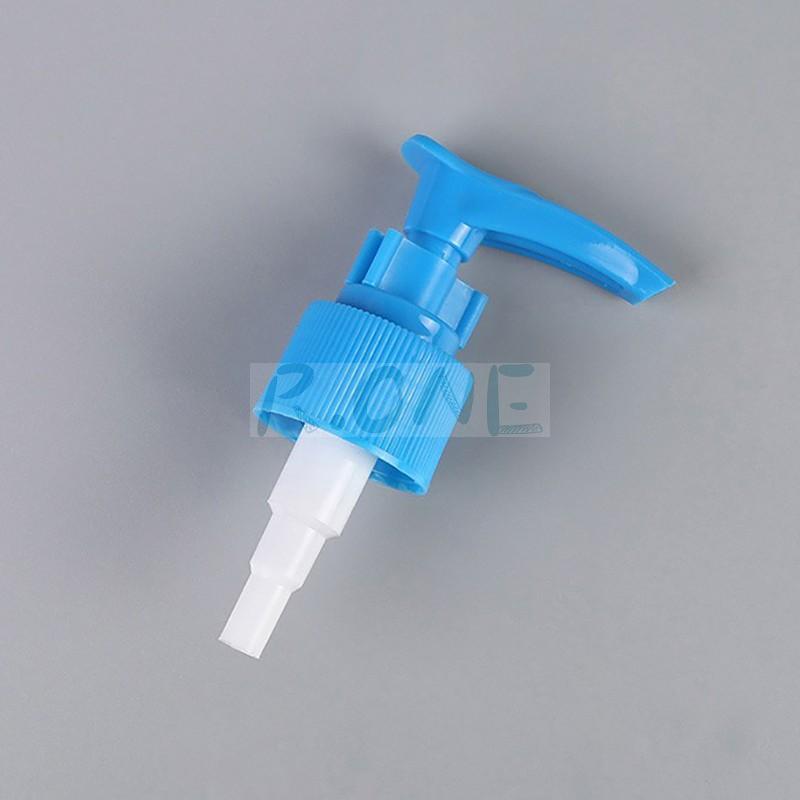
I choose PP for many lotion pump components because it has good resistance to water, many acids, bases, and a range of cosmetic ingredients. It is also lightweight and durable. These features make it a practical choice for many lotions, creams, and personal care products.
How Does PP Handle Different Cosmetic Formulas?
I always ask customers about their formulas before I recommend a pump. A standard body lotion may have different packaging needs from a facial serum or a sunscreen product. PP works well with many common cosmetic formulas, but I do not treat it as a universal solution. Some ingredients, such as certain oils, solvents, or strong active ingredients, may affect specific plastic grades or other pump parts.
I use the following table to explain the main points to my customers.
Material feature | What it means for lotion pumps | What I recommend |
Chemical resistance | PP resists many common cosmetic ingredients | I test the material against the actual formula |
Impact resistance | PP can handle normal use and handling | I check the pump design and wall thickness |
Lightweight structure | PP adds little weight to the package | I consider shipping costs and bottle size |
Moisture resistance | PP absorbs very little water | I check storage and use conditions |
Design flexibility | PP can be molded into many shapes | I match the design to the pump structure |
How Do I Check Product Compatibility?
I do not rely on a material name alone. I ask for a sample of the customer's formula and check how the packaging performs over time. I look for changes in color, shape, smell, and pump function. I also check whether the pump leaks or becomes harder to press.
I pay special attention to the whole pump system. A lotion pump may contain a PP actuator, collar, housing, or other parts, but it may also contain a spring, gasket, or other materials. These parts can react differently to the same formula. A PP pump body does not guarantee that every part will be compatible.
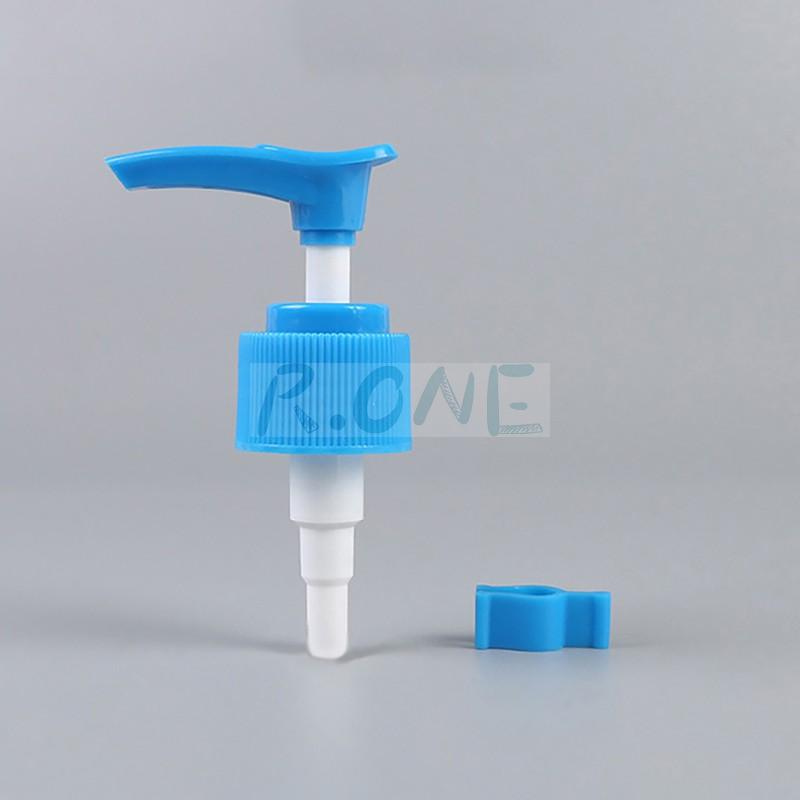
For example, when I work on a packaging project for a new skincare brand, I would first confirm the formula and the intended shelf life. I would then arrange compatibility tests under suitable storage conditions. I would also check the pump's output and sealing performance during repeated use. This approach helps me reduce the risk of product returns and complaints. It also gives my customer more confidence before mass production.
Why Is PP a Cost-Effective Choice for Lotion Pump Production?
I know that distributors and wholesalers need packaging that meets customer needs without reducing their profit margins. A pump with a high unit price can make a large order less attractive. A pump with poor quality can create even higher costs after delivery.
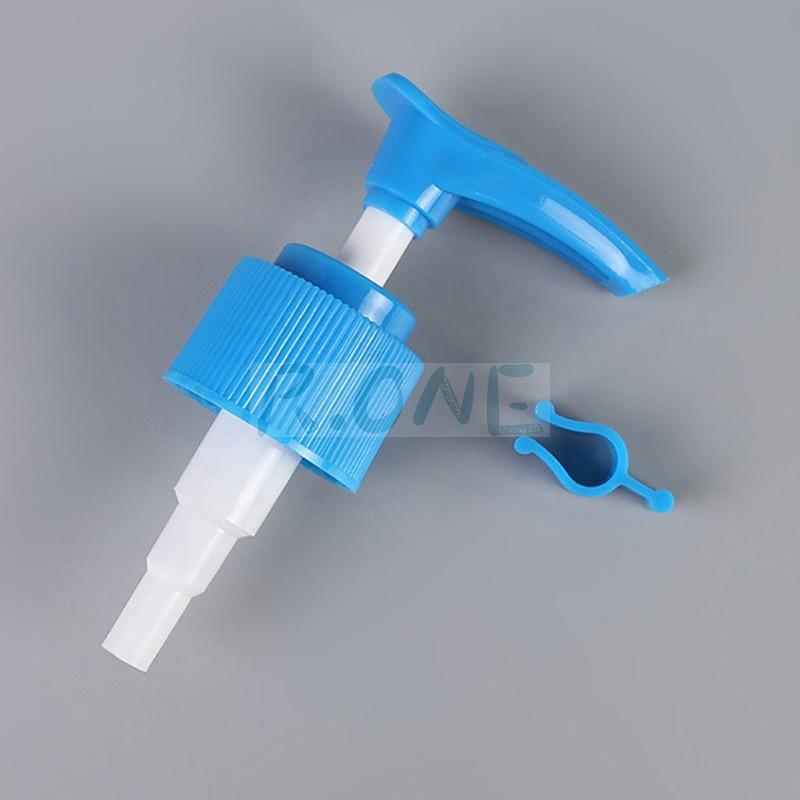
I choose PP for many lotion pump designs because it is widely used in plastic processing and can support efficient, high-volume production. Its low weight, broad availability, and molding flexibility can help control production and transport costs.
How Does PP Help Control Manufacturing Costs?
I look at the total cost of a packaging solution instead of only the price of one pump. PP can be processed through injection molding, which allows manufacturers to produce complex shapes with consistent dimensions. Once the mold and production settings are properly developed, the process can support large production runs.
I also consider the weight of each component. Lightweight packaging can reduce shipping weight, especially when customers order large quantities for international markets. The savings depend on the full package design, shipping method, and order volume, so I avoid promising a fixed cost reduction before checking these details.
The following table shows how I compare PP with other common materials when I develop a lotion pump solution.
Factor | PP | PE | PET |
Common packaging use | Pump components, closures, and containers | Bottles, tubes, and flexible parts | Cosmetic bottles and containers |
Weight | Lightweight | Lightweight | Lightweight |
Chemical resistance | Good against many common substances | Good against many common substances | Depends on the formula and conditions |
Shape and molding options | Good for detailed molded parts | Good for flexible and molded parts | Commonly used for clear containers |
Transparency | Usually translucent or opaque | Usually translucent or opaque | Often clear |
Typical design role | Functional pump parts | Flexible or sealing-related components | Bottle bodies and clear packaging |


I want to comment
Recommended Products

RO-LP032 30CC plastic screw food pump for jam/soy sauce/salad sauce

RO-LP029 Heavy calibre plastic food pump for Jam / honey/sesame paste

RO-LP027 Beverage ration extrusion head Food syrup pump

RO-LP025 32/410 clip electroplating lotion pump
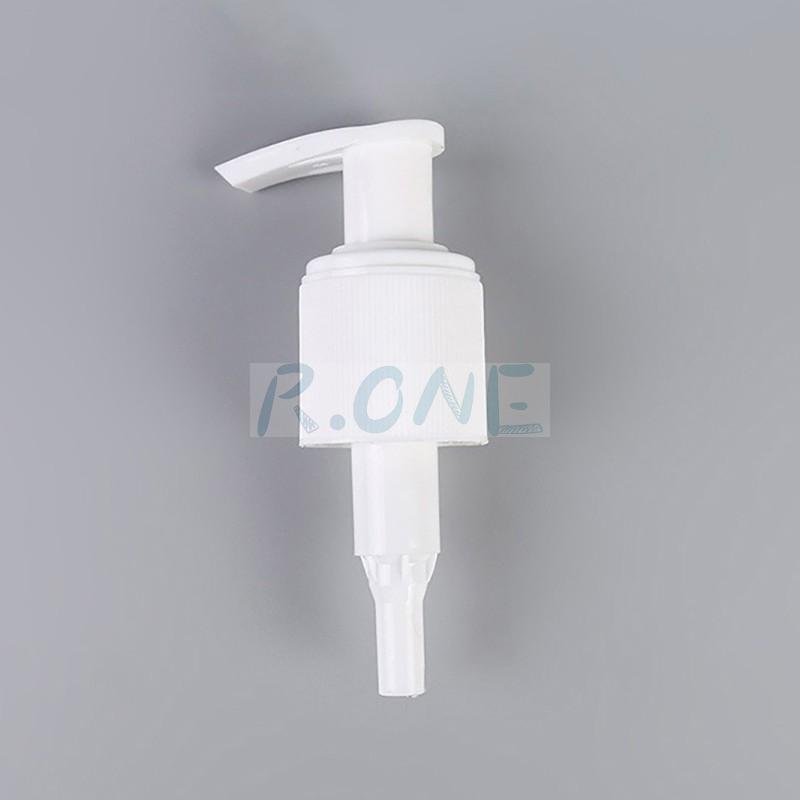
RO-LP020 Stock liquid dispenser pump 24/415
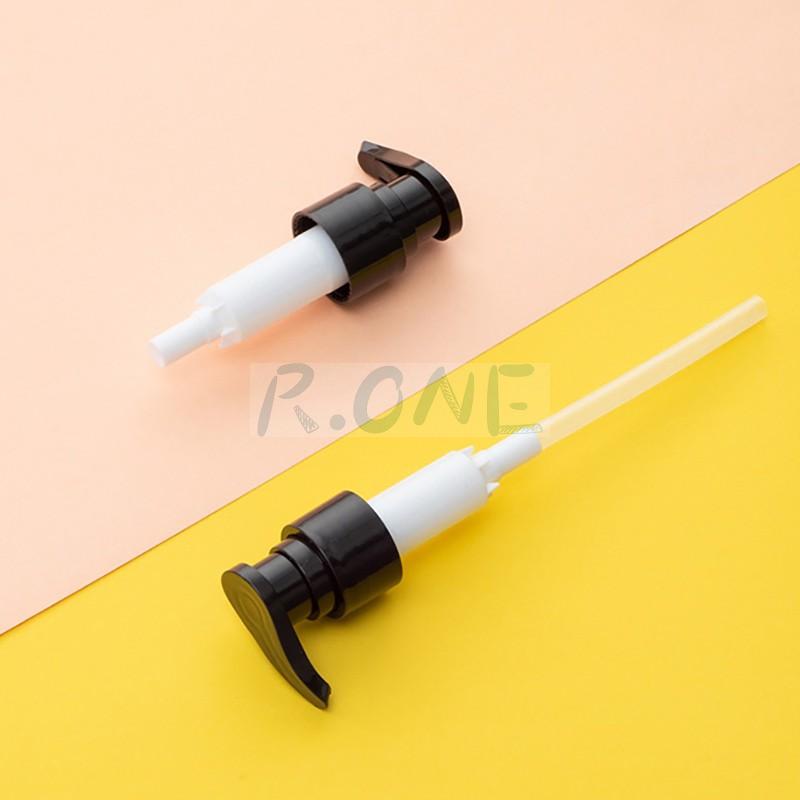
RO-LP017 24/410 Fine plastic lotion dispenser pump
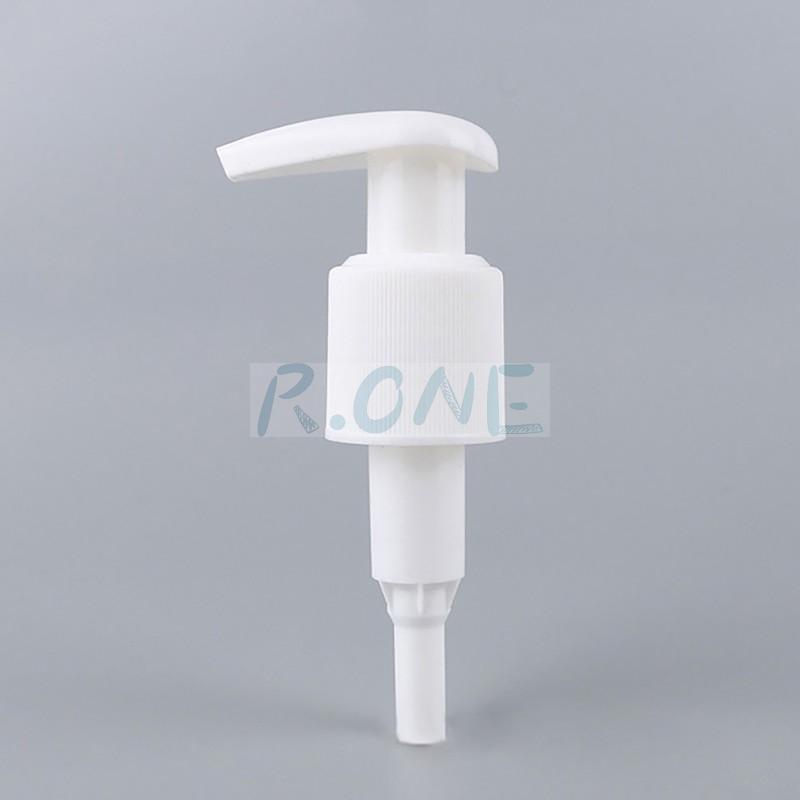
RO-LP015 Lotion pump for liquid soap 24/415

RO-LP011 Big dosage plastic shampoo hand lotion pump dispenser

RO-LP007 PP plastic clip lotion liquid pump

RO-LP004 The Plastic lotion pump for dishwashing liquid


Recent News
1.What are the Advantages of a Lotion Pump Supplier?
2024-05-112.Lotion Pump: The Technology and Design behind Small Objects
2025-02-243.What's inside a lotion pump and how does it work?
2025-06-204.Why Do Lotion Pump Ball Valves Use Glass or Plastic?
2026-05-125.Why Is a Switch Lotion Pump the Smart Choice for Modern Cosmetic Packaging?
2026-06-30





View More(Total0)Comment lists